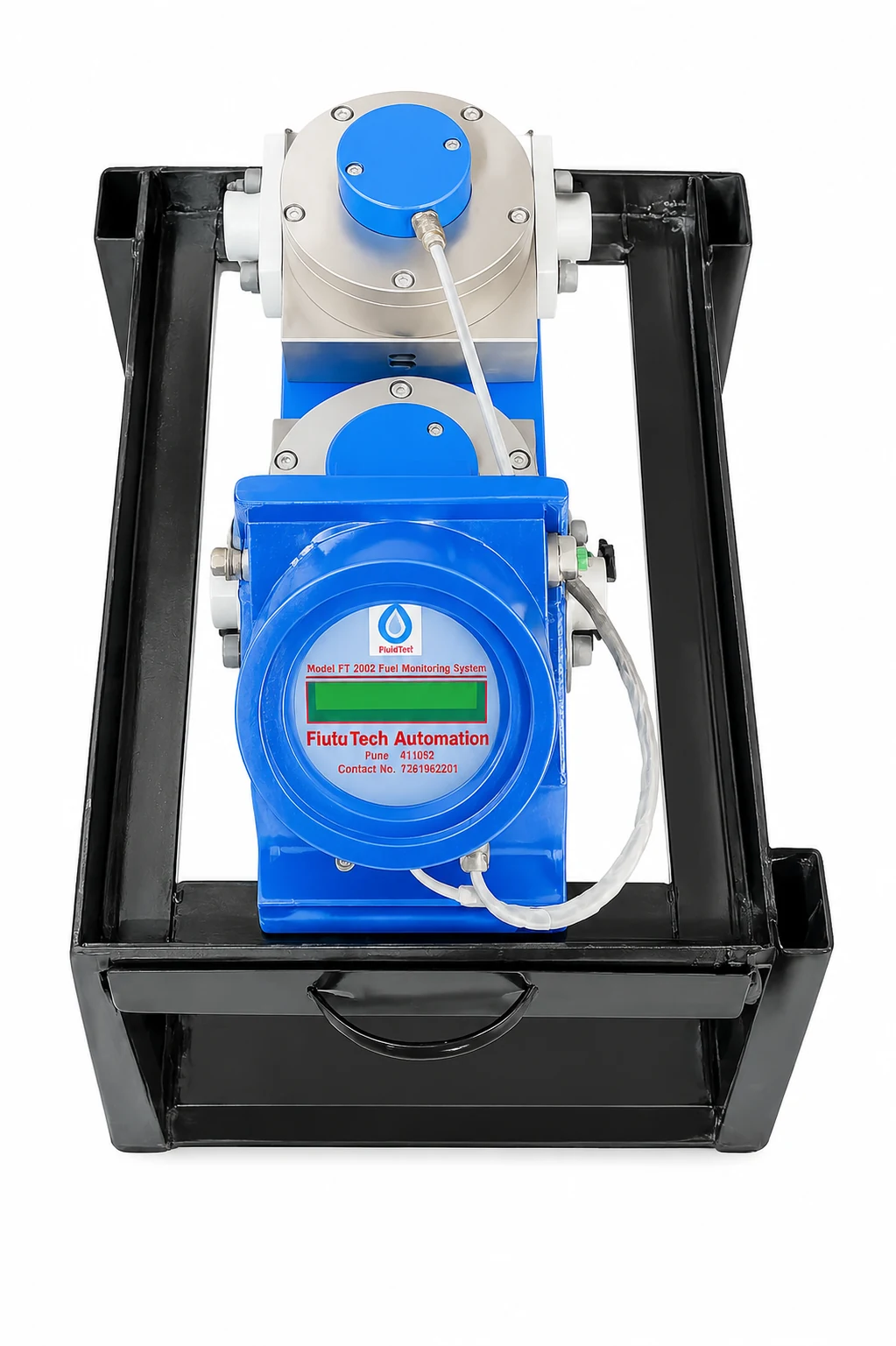
DG Fuel Consumption Monitoring Systems in Chennai
FluidTech is Trusted DG Fuel Consumption Monitoring Systems Manufacturer In Chennai and We are reputed Supplier. Efficient diesel management is essential for organizations that rely on DG sets for continuous or backup power. Monitoring the actual quantity of fuel consumed can help businesses maintain better control over operating costs, identify unusual usage, and keep accurate records of diesel consumption.
DG Fuel Consumption Monitoring Systems are designed to measure diesel supplied to and returned from a generator and determine the actual fuel consumed during operation. By providing clear consumption data, these systems can help improve fuel accountability, support operational monitoring, and reduce dependence on manual readings.
For companies searching for a DG Fuel Consumption Monitoring Systems Manufacturer in Chennai, choosing a system with accurate flow measurement, reliable construction, and suitable communication options can make diesel management more systematic and transparent.
What Is a DG Fuel Consumption Monitoring Systems?
A DG Fuel Consumption Monitoring System is a fuel measurement solution designed to determine how much diesel a generator actually consumes during operation.
The system measures fuel supplied to the DG and, where applicable, the fuel returned from the engine. By comparing these two measurements, it calculates the net fuel consumption. FluidTech's system uses an oval-gear positive displacement flow meter for diesel tracking and automatically calculates net consumption from supply and return measurements.
Why Choose the Fluid-Tech DG fuel monitoring systems?
- Accurate fuel measurement: Helps track actual diesel consumption rather than relying on estimated readings.
- Better fuel accountability: Makes it easier to compare fuel issued with fuel consumed.
- Reduced wastage: Unusual consumption patterns can be identified more quickly.
- Operational monitoring: Provides useful information about generator performance and fuel usage.
- Digital records: Communication options such as RS485 Modbus RTU and pulse output support integration with monitoring systems.
- Fleet and SCADA integration: The system can be connected with fleet management and SCADA-based monitoring applications.
For organizations in Chennai where DG sets are used as standby or continuous power sources, reliable fuel monitoring can support better operational control and cost management.
Applications of DG Fuel Consumption Monitoring Systems
DG Fuel Consumption Monitoring Systems can be used across a wide range of industries and applications where diesel consumption needs to be measured accurately.
1. Industrial DG Sets
Factories and manufacturing facilities often use DG sets as backup power sources. A monitoring system helps maintenance and management teams understand diesel consumption during generator operation.
2. Commercial Buildings
Office buildings, malls, hotels, hospitals, and other commercial facilities can use fuel monitoring systems to maintain proper records of diesel consumed by standby generators.
3. Data Centres
Data centres require reliable backup power and may operate multiple DG sets. Accurate fuel monitoring helps operators maintain better visibility of fuel consumption and generator usage.
4. Fleet Management
The system can also be useful for vehicles and fleet operations where monitoring diesel consumption is important. FluidTech specifically describes its DG monitoring solution as suitable for vehicle, DG set, and fleet management integration.
5. Construction & Infrastructure Projects
Construction sites often depend on diesel-powered generators and equipment. Fuel consumption monitoring can help project managers maintain better control over fuel usage across temporary sites.
6. Fuel Management & Auditing
Organizations conducting regular fuel audits can use measured consumption data to compare fuel supplied, fuel used, and available stock.
Salient Features of DG Fuel Consumption Monitoring Systems
A well-designed monitoring system should provide accurate measurement along with easy access to consumption information. FluidTech's DG Fuel Consumption Monitoring System includes several features intended for industrial diesel tracking.
Accurate Positive Displacement Measurement
The system uses an oval gear positive displacement flow meter designed for precise diesel measurement.
Net Fuel Consumption Calculation
One of the important features is automatic calculation of net fuel consumption by considering both fuel supply and return measurements.
Four-Parameter LCD Display
The display provides four important parameters:
- Fuel In
- Fuel Out
- Fuel Used
- Fuel Stock
This gives operators a straightforward view of fuel movement and consumption.
RS485 Modbus Communication
The system supports RS485 Modbus RTU communication along with Pulse NPN output, making it suitable for integration with industrial monitoring and automation systems.
Wide Flow Range
The listed system supports a flow range of 5–400 LPH, with sizes from DN4 to DN25 BSP(F).
Industrial Construction
Depending on the application, the flow meter is available in Aluminium (ENP), SS 304, and SS 316 construction.
Direct Battery-Compatible Power
The system operates on 12 V DC, making it suitable for applications where direct battery-compatible power is preferred.
Benefits of DG Fuel Consumption Monitoring Systems
Improved Fuel Cost Control
Diesel is a significant recurring expense for many organizations. Accurate consumption data helps management understand where fuel is being used and make better operational decisions.
Easy Fuel Reconciliation
By monitoring fuel entering and leaving the system, organizations can compare actual usage with fuel purchase and dispensing records.
Detection of Abnormal Consumption
Unexpected changes in consumption can indicate equipment problems, inefficient operation, leakage, or other issues that require investigation.
Better Generator Performance Monitoring
Fuel consumption data can be evaluated alongside generator operating conditions to understand performance and identify irregularities.
Reduced Manual Dependency
Digital measurement reduces dependence on manual fuel readings and handwritten records, making monitoring more systematic.
Data Integration
With RS485 Modbus RTU and pulse output, the system can be connected with suitable automation, SCADA, or fleet management infrastructure.
DG Fuel Consumption Monitoring Systems Supplier In Chennai
Businesses looking for a DG Fuel Consumption Monitoring Systems Supplier in Chennai should consider the accuracy, flow range, construction material, communication protocol, power requirement, and integration capabilities of the system before selecting a solution.
FluidTech provides industrial flow measurement and fuel management solutions, including positive displacement flow meters, fuel dispensing systems, tanker unloading systems, and DG fuel consumption monitoring systems. The company states that it provides end-to-end project execution from design to AMC and serves clients across India.
For Chennai-based industries, commercial facilities, infrastructure companies, fleet operators, and organizations managing multiple DG sets, the right fuel monitoring system can provide a more transparent approach to diesel management.
Frequently Asked Questions
1. What is a DG Fuel Consumption Monitoring System?
It is a system used to measure diesel supplied to and returned from a DG set and calculate the generator's actual net fuel consumption.
2. How does the system measure fuel consumption?
The system uses a positive displacement flow meter to measure diesel flow. FluidTech's model calculates net consumption using supply and return measurements.
3. Can it be integrated with SCADA?
Yes. The system supports RS485 Modbus RTU and Pulse NPN communication, making integration with compatible SCADA and automation systems possible.
4. What flow range does the FluidTech DG monitoring system support?
The listed system supports a flow range of 5–400 LPH.
5. What materials are available for the flow meter?
The specified material options include Aluminium (ENP), SS 304, and SS 316.